

Research Laboratory
The Geotechnical Engineering Department at NIT is dedicated to advancing research and development through innovation. To support this mission, a cutting-edge Geotechnical Engineering Research Laboratory has been established, equipped with modern facilities. This in-house laboratory plays a crucial role in conducting advanced research in various geotechnical domains, including Geomechanics, soil-structure interaction, soil stabilization, geo-environmental studies, physical model testing, and desiccation crack evaluation. By leveraging state-of-the-art equipment and methodologies, the department continues to drive progress in geotechnical engineering.
| Equipment Name | Description | Analysis / Testing Capabilities |
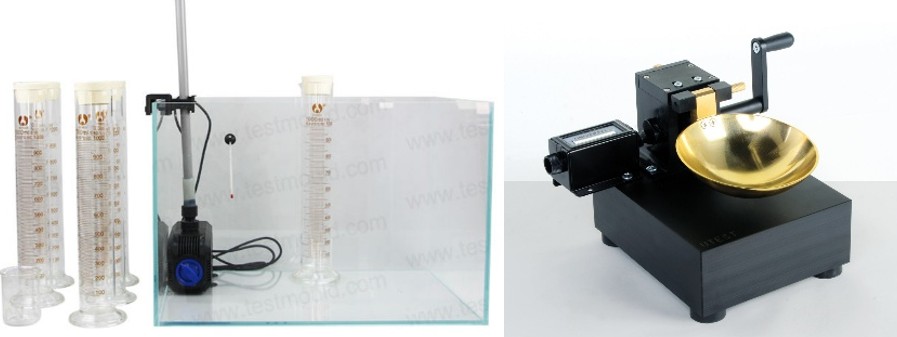 Hydrometer & Casagrande Analysis Hydrometer & Casagrande Analysis |
Laboratory equipment used to determine the particle size distribution and consistency limits of fine-grained soils. | Particle Size Distribution, Liquid Limit, Plastic Limit, Soil Classification |
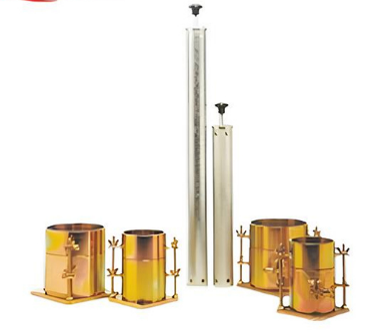
Compaction Test Set (Proctor) |
Standard equipment used to establish the relationship between soil moisture content and dry density under controlled compaction. | Standard/Modified Proctor Test, Optimum Moisture Content (OMC), Maximum Dry Density (MDD) |
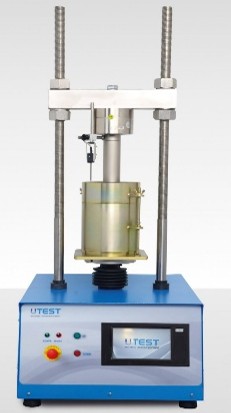
Laboratory CBR with Accessories |
Apparatus used to evaluate the load-bearing capacity of subgrade and pavement materials. | California Bearing Ratio (CBR), Subgrade Strength Evaluation, Pavement Design Parameters |
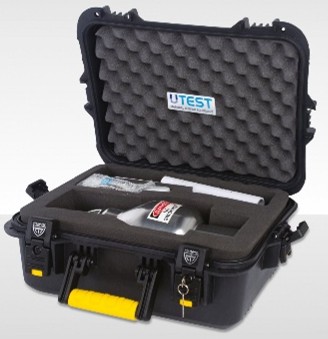
Field Density Test Set (Sand Cone Apparatus with all accessories and Speedy Moisture Kit) |
Portable equipment for determining in-situ soil density and moisture content during construction activities. | Field Density Testing, Moisture Content Determination, Compaction Quality Control |
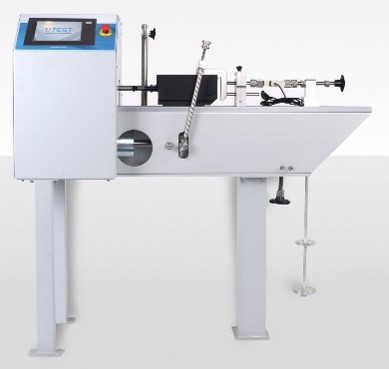
Digital Direct Shear Apparatus |
Automated testing system used to determine the shear strength properties of soil under controlled normal loads. | Shear Strength Analysis, Cohesion Determination, Internal Friction Angle Measurement |
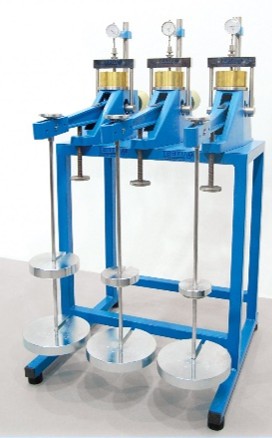
Front Loading Oedometer (Consolidation) with all Accessories |
Equipment designed to evaluate the consolidation and settlement behavior of saturated soils under applied loads. | Consolidation Testing, Settlement Analysis, Compressibility Assessment |
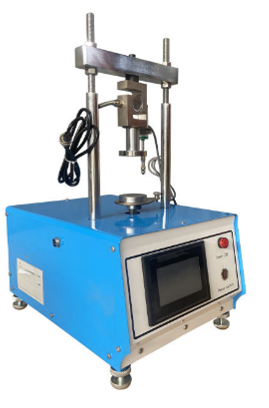
Digital Unconfined Compression Machine |
Testing machine used to determine the unconfined compressive strength of cohesive soil specimens. | Unconfined Compressive Strength (UCS), Soil Strength Evaluation, Stability Assessment |
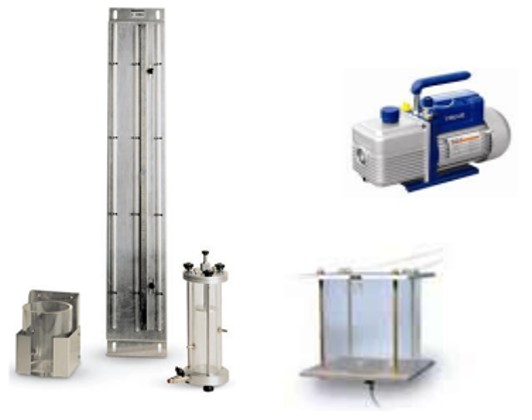
Soil Permeability Apparatus with all Accessories |
Laboratory apparatus used to measure the rate of water flow through soil under controlled conditions. | Permeability Testing, Hydraulic Conductivity Determination, Seepage Analysis |
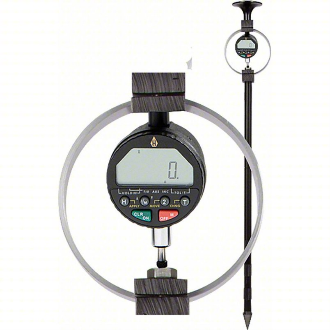
Proving Ring Penetrometer |
Instrument used to measure the penetration resistance and strength characteristics of soil. | Penetration Resistance Evaluation, Soil Strength Assessment, Bearing Capacity Studies |
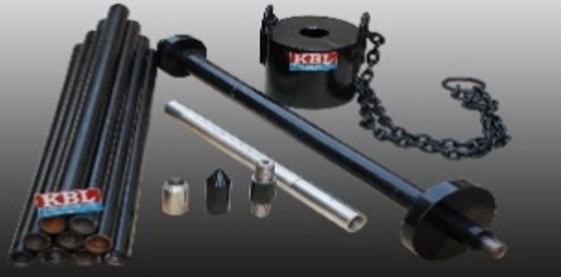
Standard Penetration Test (SPT) Set |
Field investigation equipment used to determine soil resistance and collect disturbed soil samples. | SPT N-Value Determination, Soil Stratification, Foundation Investigation |
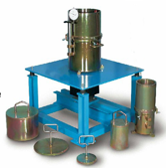
Relative Density of Cohesionless Soils |
Equipment used to determine the maximum and minimum densities of granular soils. | Relative Density Determination, Compaction Assessment, Granular Soil Characterization |
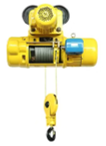
Compass Crane with Electric Motor |
Motorized vane shear testing system used for measuring the undrained shear strength of soft cohesive soils. | Vane Shear Testing, Undrained Shear Strength Determination, Soft Soil Evaluation |
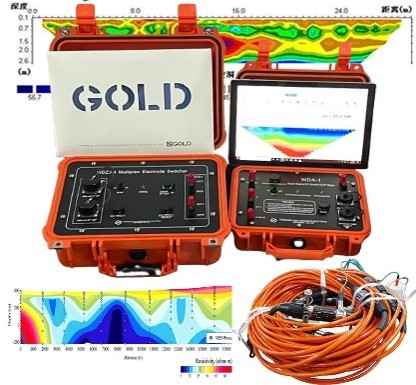
Electrical Resistivity Test Equipment (ERT) |
Geophysical investigation system used to assess subsurface conditions through electrical resistivity measurements. | Subsurface Profiling, Groundwater Investigation, Soil Stratification, Site Characterization |